
How to Know If Your Nonprofit Is Getting Value from Salesforce


Salesforce is one of the most powerful tools available to nonprofits — and one of the most underused. For organizations that qualified for free or discounted licenses through Salesforce.org, the barrier to entry was low. But low cost doesn't always mean high value.
So how do you know if your investment is actually paying off?
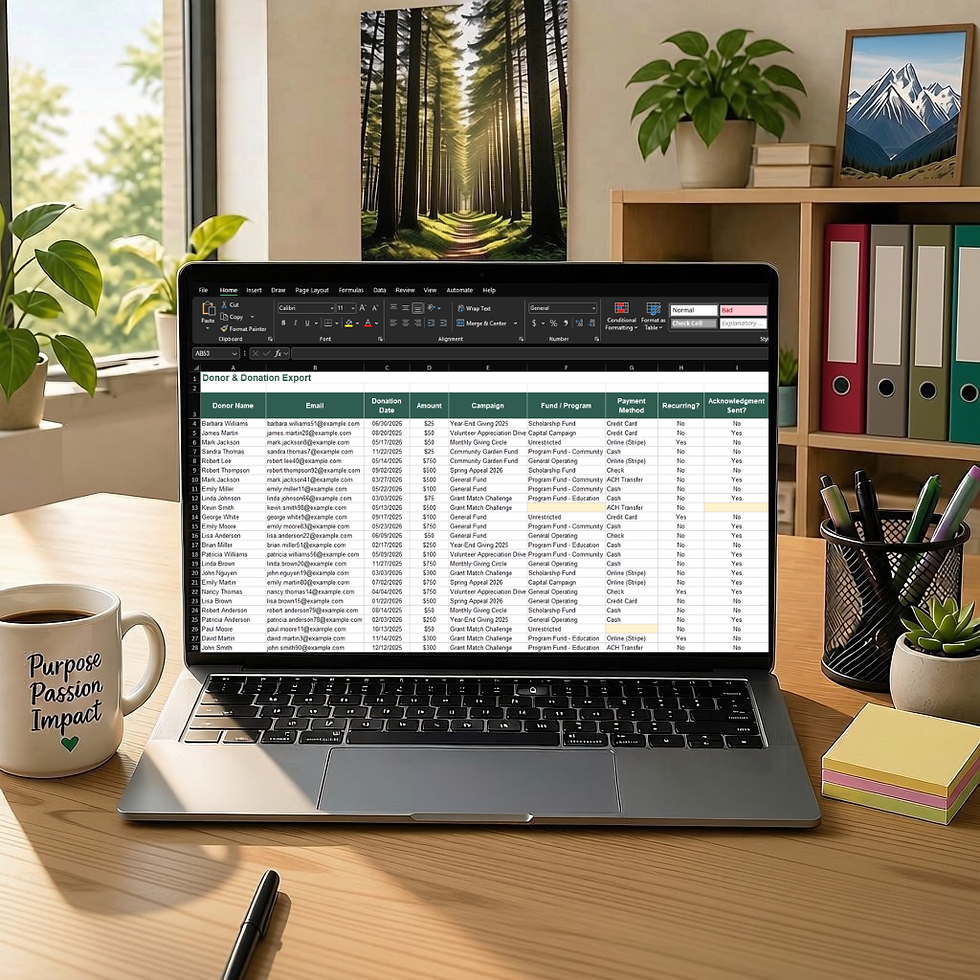
Your staff works around it, not through it. If your team keeps a spreadsheet "just in case," copies data into a separate tracker, or skips Salesforce entirely because it's faster to do things manually — that's not a Salesforce problem. That's an adoption problem, and it's fixable.
Your reports don't match reality. If pulling a donor report for your board takes hours, requires manual cleanup, or produces numbers nobody quite trusts — your data architecture isn't set up to reflect how your organization actually operates. Good Salesforce data should make reporting easier, not harder.
Nobody really knows what's in there. If the person who set up your Salesforce left two years ago and took all the institutional knowledge with them, you're running on borrowed time. Undocumented systems break quietly and expensively.
You're paying for features you've never touched. Salesforce offers nonprofits incredible tools for donor management, program tracking, grant reporting, and automation. If you're using it as a glorified contact list, there's significant value sitting untapped.
The good news? None of these are permanent problems. A focused Salesforce assessment can surface exactly where your system is falling short and what it would take to turn it around — often faster and more affordably than most nonprofits expect.
Your Salesforce instance should work as hard as your mission does. If it doesn't, it's worth finding out why.
Spruce Bloom Consulting helps nonprofits get more from their Salesforce investment. If any of this sounds familiar, a free discovery call is a good place to start.

Comments